
Overcoming Problems When Installing Metal Fences
Installing a galvanized chain-link fence can be a practical solution for many properties. These fences offer durability, affordability, and ease of maintenance. However, the installation process presents challenges that require careful planning and execution. Understanding these hurdles can help ensure a smooth project. From selecting the right materials to dealing with unpredictable weather, each step comes with its own set of complications. In this article, we explore common issues you might face and provide guidance on how to address them effectively.
Importance of Proper Planning
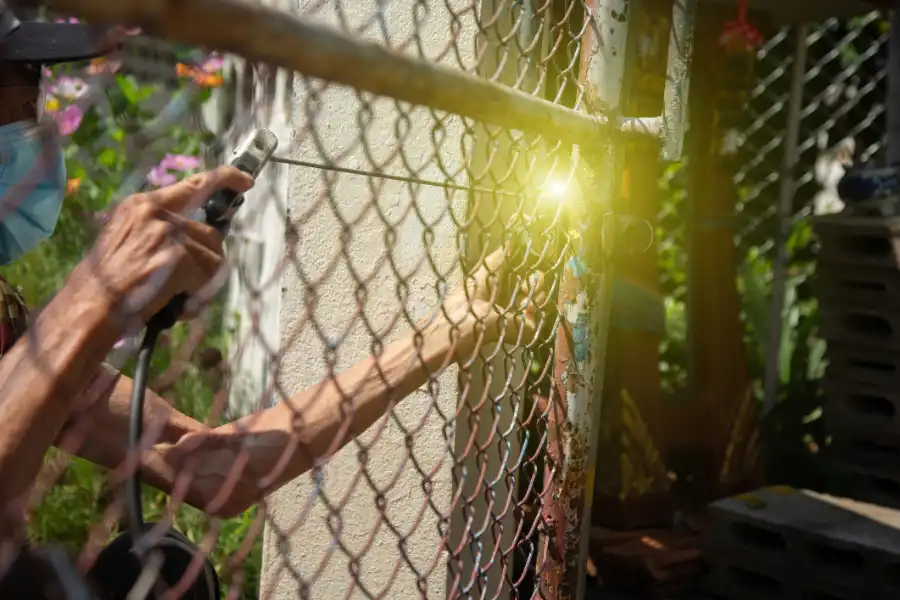
A key challenge in any fencing project is ensuring proper planning. Before beginning a galvanized chain-link fence installation, it is crucial to outline your entire project. This includes measuring your property lines accurately and checking for underground utilities. Mistakes at this stage can lead to costly delays or even legal trouble. Consider consulting local regulations to avoid future penalties. Identifying potential obstacles early saves time and resources.
Handling Uneven Terrain
An often overlooked issue is installing fences on uneven ground. A galvanized chain-link fence installation must account for hills and slopes. To address this, use techniques such as stepping or contouring your fence line. Stepping involves creating leveled sections in areas where the ground dips or rises suddenly. Contouring allows the fence to follow the natural slope more gradually, which maintains aesthetic appeal while providing stability.
Selecting Appropriate Materials
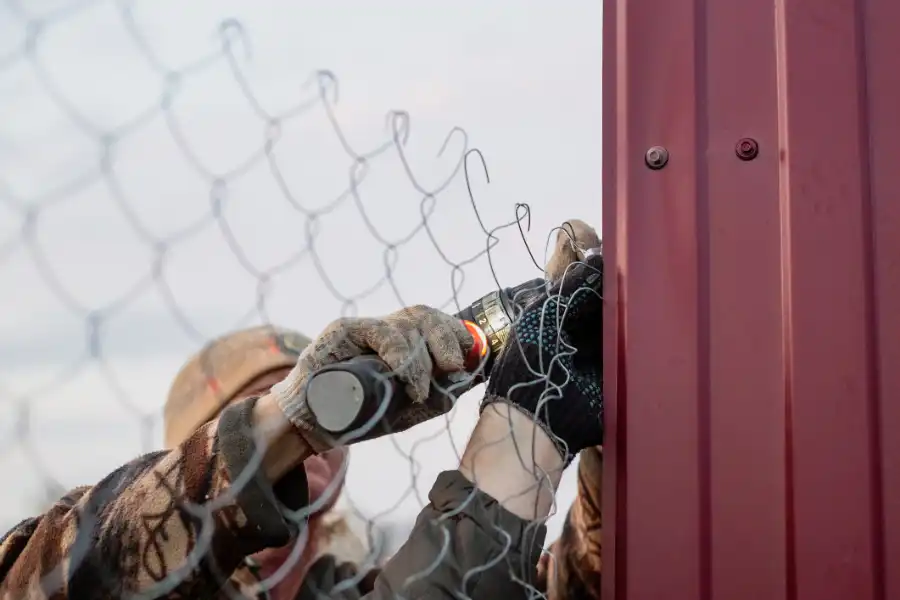
Choosing the right materials directly impacts the fence’s longevity and performance. For galvanized chain-link fence installation, opt for high-quality metal that resists rust and corrosion. The thickness of the wire and the coating type both contribute to overall durability. Investing in better materials upfront may increase initial costs but reduces long-term maintenance expenses significantly.
Dealing With Weather Conditions
Weather plays a critical role in fence installation success. Wet or extremely cold conditions complicate procedures like setting posts in concrete. Plan around seasonal changes to minimize problems related to temperature fluctuations or rain. For instance, during winter months, frozen ground can prevent post holes from being dug properly, while extreme heat in summer may cause rapid drying of concrete before proper setting.
Managing Installation Costs
The cost of installing a fence involves several factors including labor, material selection, and permit fees. Effective budgeting begins with obtaining multiple quotes from reputable contractors. Compare these estimates based not only on price but also on included services. Additional costs can arise if unexpected issues emerge during installation, so maintaining a contingency fund is advisable.
Ensuring Long-Term Maintenance
Once installed, ongoing maintenance is essential to preserve the fence’s condition. Regular checks for damage or wear help prolong its life. This includes tightening loose wires or replacing damaged sections promptly. Applying protective coatings periodically helps combat environmental wear. Establishing a routine inspection schedule ensures that minor issues do not escalate into major repairs.
Get Professional Help With Your Fencing Needs
If you’re looking for expert assistance with your fencing project, consider reaching out to Hernandez Fencing LLC. Our team provides comprehensive solutions tailored to meet your specific needs. We operate throughout Decatur, AL and are dedicated to delivering quality results that stand the test of time. Contact us at (256) 885-5565 for more information on how we can assist you with your next project.