
The Role of Climate in Maintaining Fences
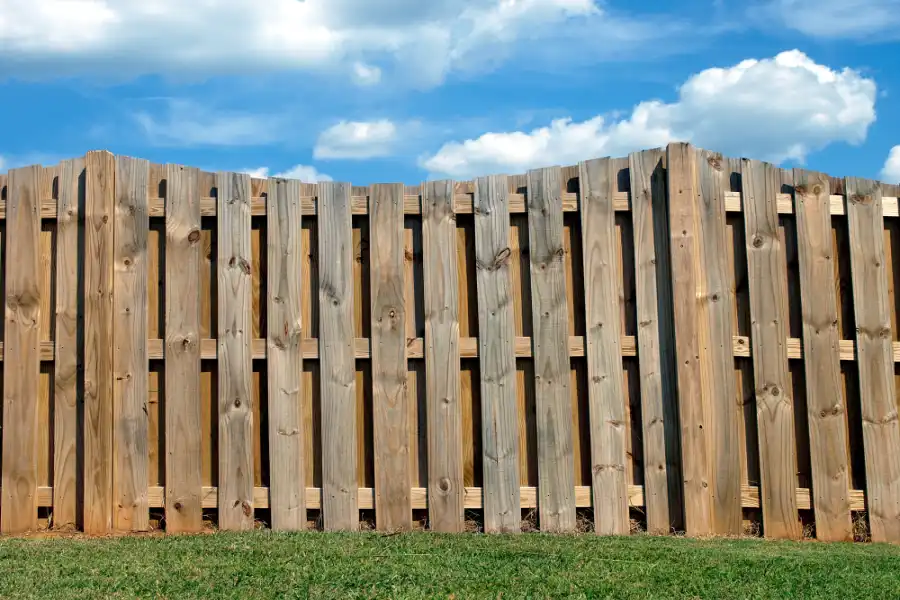
Weather plays a critical role in the lifespan of shadowbox fences. These fences, known for their aesthetic appeal and privacy features, are often subjected to varying weather conditions. Understanding how elements like rain, wind, snow, and temperature changes affect these fences can guide homeowners in making informed decisions about materials and maintenance. By knowing what to expect, you can take proactive steps to extend the durability of your fence.
The Effects of Rain on Wood Fences
Rain is one of the most common weather elements that impacts shadowbox fence durability. Constant exposure to water can lead to wood rot, especially if the wood is not treated properly. To combat this, regular sealing is recommended. This simple step helps protect the wood from moisture, ensuring it remains strong and intact over time.
Wind Damage to Fencing Structures
Strong winds pose a significant threat to shadowbox fences. They can weaken or even topple poorly installed structures. Proper installation is crucial for withstanding gusty conditions. Ensuring Shadowbox Fence Installation adheres to manufacturer guidelines can significantly reduce the risk of damage during storms.
The Impact of Sun Exposure
Prolonged exposure to the sun can cause fading and cracking in wooden fences. The UV rays break down the wood fibers, leading to a loss of color and structural integrity. Applying a UV-resistant finish annually can help preserve both the appearance and strength of your fence. During the Shadowbox Fence Installation process, consider choosing materials designed to withstand high sun exposure.
Snow and Ice Concerns for Wooden Fences
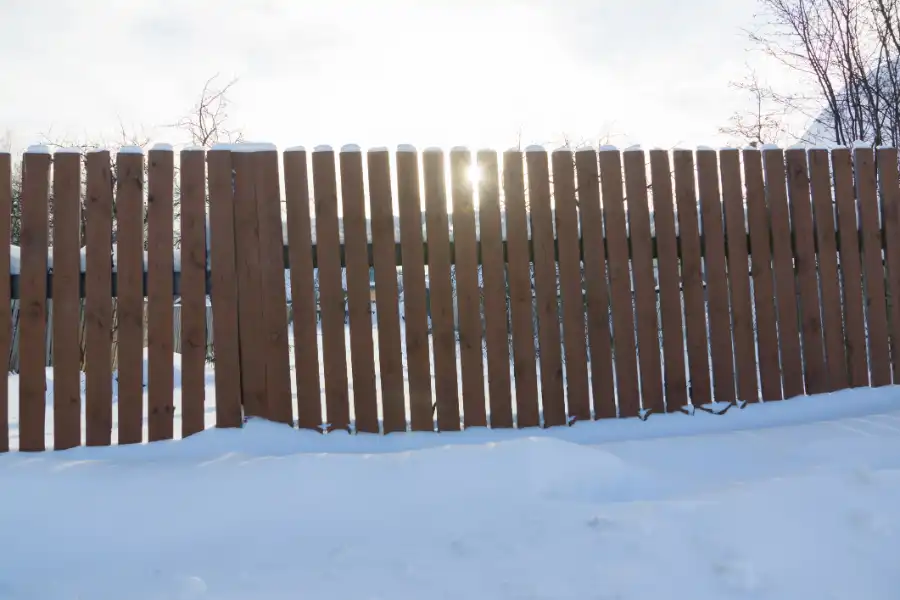
Snow and ice accumulation presents unique challenges for wooden fences. The weight of snow can stress the structure, while melting ice can lead to water infiltration. It’s essential to inspect and clear snow build-up regularly during winter months. Strengthening posts at installation can also provide added support against heavy snowfall.
Temperature Fluctuations and Their Effects
Drastic temperature changes can cause wood to expand and contract. Over time, this natural movement may lead to cracks or gaps in the fence panels. Regular inspections and timely repairs are key strategies to minimize long-term damage. Selecting flexible materials during the initial Shadowbox Fence Installation will also mitigate risks associated with temperature variations.
Choosing the Right Materials for Longevity
- Opt for pressure-treated wood to resist decay
- Select stainless steel hardware to avoid rust
- Consider composite materials for increased resilience
Concluding Thoughts on Fence Maintenance
A well-maintained shadowbox fence offers years of service by protecting your property while enhancing its visual appeal. Being aware of the various ways weather impacts your fencing allows you to make better choices from material selection to routine upkeep. For expert advice and top-quality fence services, contact Hernandez Fencing LLC today at (256) 885-5565. Our team serves clients throughout Decatur, AL, offering customized solutions tailored to your needs.